
Get Directions
Missing Teeth Can Change Your Bite—Here’s Why That Matters
By: Dr. Joanna Claustro 09/28/2026
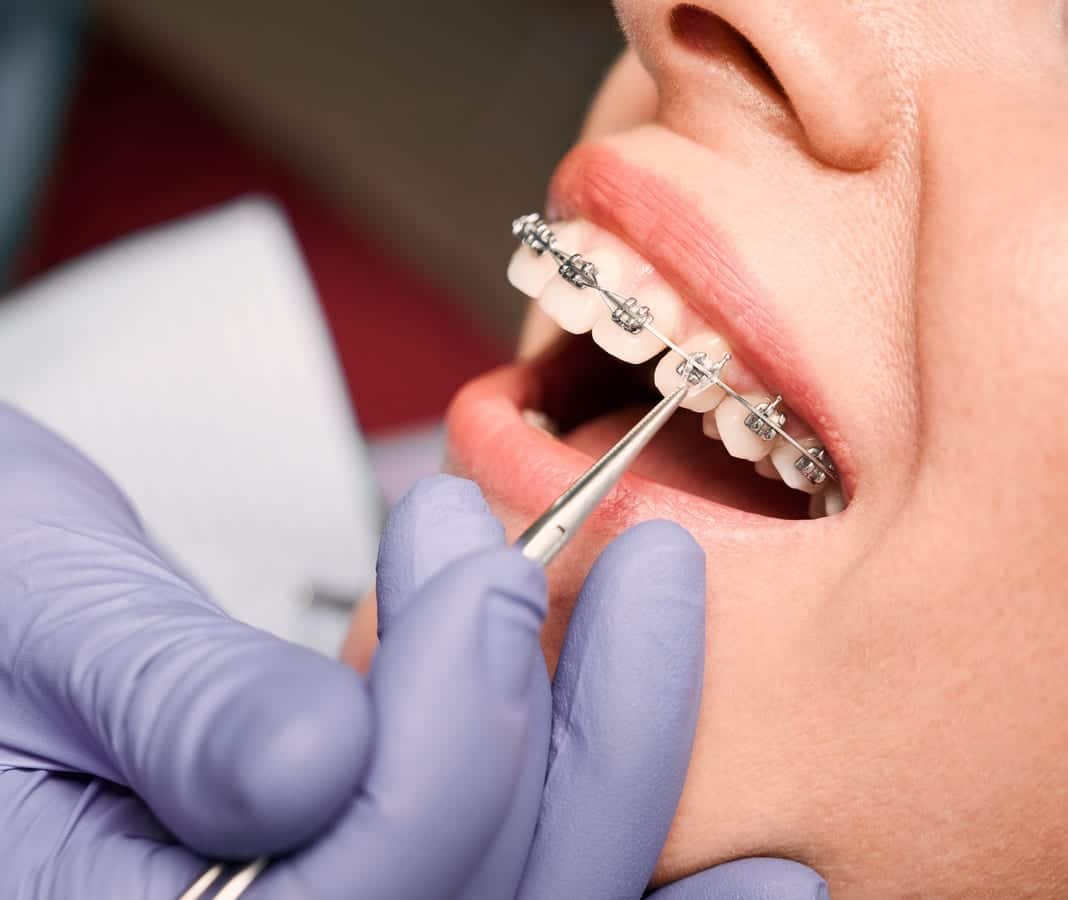
Missing teeth can change your bite in ways you might not expect. Many people in Ashburn assume a gap in their smile is only a cosmetic issue. The truth is far more significant. When a tooth goes missing, your entire bite can shift — and that shift sets off a chain reaction affecting your jaw, your remaining teeth, and your long-term oral health.
Understanding why this matters in Ashburn means looking beyond the visible gap. At Joanna Claustro DMD & Associates, our dental team works with patients every day who delayed treatment and later wished they hadn’t. This article explains what actually happens when teeth go missing — and why acting early makes a real difference.
How Missing Teeth Disrupt Your Bite in Ashburn
Your teeth work as a team. Each tooth holds its neighbor in place and shares the pressure of chewing. When one tooth disappears, the balance breaks. The surrounding teeth begin to drift toward the open space over time.
This drifting changes how your upper and lower teeth meet. Dentists call this your occlusion. When occlusion is off, your jaw compensates. That compensation can strain your jaw muscles and your temporomandibular joint (TMJ).
Here are some of the most common bite-related problems caused by missing teeth:
- Teeth shifting or tilting toward the gap
- Uneven chewing pressure on remaining teeth
- Jaw pain or clicking sounds when you open your mouth
- Headaches linked to jaw muscle tension
- Changes in how your face looks due to bone loss
These problems develop gradually. Many patients don’t notice until the damage is already significant. That’s why early evaluation matters so much.
What Happens to Your Jawbone When a Tooth Is Lost
A missing tooth doesn’t just affect neighboring teeth. It also affects the jawbone beneath the gap. Your tooth roots stimulate the jawbone every time you chew. Without that stimulation, the bone begins to shrink — a process called resorption.
Bone loss can begin within the first few months after losing a tooth. Over time, significant bone volume can be lost. This makes future tooth replacement more complicated and sometimes more costly.
Bone loss also changes the shape of your face. The lower third of your face can appear to sink or hollow out. This aging effect is directly linked to the loss of jaw structure — not just the missing tooth itself.
Replacing a missing tooth early helps preserve bone volume. Dental implants in particular help stimulate bone just like a natural root. That’s why timing matters so much when it comes to tooth loss.
Why Delayed Treatment Makes Things Worse
Waiting to address a missing tooth might feel like the safe choice. Many patients tell themselves they’ll deal with it later. Unfortunately, delay often compounds the problem and increases treatment complexity.
When teeth shift significantly, straightening them before replacement may be necessary. When bone loss is advanced, a bone graft may be required before an implant can be placed. These additional steps mean more appointments, more healing time, and more disruption overall.
Here’s what our dental team commonly sees in patients who waited too long:
- Severe tooth drift requiring alignment correction
- Bone loss that limits implant options
- Increased wear on remaining teeth
- TMJ symptoms that develop into chronic jaw pain
- Difficulty chewing that affects nutrition and diet
None of these outcomes are inevitable. Most can be avoided with timely care. The earlier a missing tooth is addressed, the more straightforward treatment tends to be.
Tooth Replacement Options Available at Our Ashburn Practice
The good news is that modern dentistry offers several excellent options for replacing missing teeth. Our team at Joanna Claustro DMD & Associates provides personalized recommendations based on your specific situation, bone health, and long-term goals.
Dental Implants are often the gold standard. They replace the entire tooth — root and crown. Implants preserve bone and function like natural teeth. They’re a long-term investment in your oral health.
Dental Bridges are another reliable option. A bridge uses the surrounding teeth as anchors to support a false tooth in the gap. This restores function and appearance without surgery.
Dentures work well for patients missing multiple teeth. Modern partial or full dentures are more comfortable and natural-looking than ever before. They restore chewing function and help maintain facial structure.
Your dentist will also use Digital X-Rays to assess bone levels and surrounding tooth health. This technology gives our team a precise picture before recommending any treatment. Good data leads to better outcomes.
Our practice also provides General Dentistry Ashburn services that help maintain the health of your remaining teeth while you explore replacement options. Keeping what you have healthy is just as important as replacing what’s missing.
Protecting Smiles at Every Age in Ashburn
Tooth loss isn’t just an adult concern. Children and teenagers can also lose teeth due to injury, decay, or developmental issues. When a younger patient loses a tooth, the effects on jaw development can be even more pronounced.
Our team also offers Pediatric Dentistry Ashburn Va Ashburn services for younger patients. Monitoring tooth development early helps us catch problems before they affect bite alignment or jaw growth.
For patients of all ages, the lesson is the same. A missing tooth is not a small issue. It’s a structural problem that deserves prompt attention. Whether you’re 14 or 74, your bite health matters.
Routine dental visits help catch early signs of shifting, bone loss, and bite changes. Don’t wait for symptoms to appear before scheduling an evaluation. Prevention and early intervention always deliver better results than corrective treatment down the road.
Take the Next Step for Your Bite Health
If you have a missing tooth — or if you’re starting to notice changes in how your teeth fit together — now is the right time to act. Missing teeth can change your bite in ways that affect your comfort, your jaw, your bone structure, and your smile for years to come. In Ashburn, our team at Joanna Claustro DMD & Associates is here to help you understand your options and choose the right path forward. Book Now to schedule your appointment with our team.
Frequently Asked Questions
How quickly does the bite change after losing a tooth?
The surrounding teeth can begin shifting within weeks of tooth loss. Significant changes in bite alignment may develop over months. Early evaluation helps prevent these changes from becoming more serious or difficult to correct.
Can a changed bite cause headaches or jaw pain?
Yes. When your bite is uneven, your jaw muscles work harder to compensate. This added strain can lead to headaches, jaw soreness, and TMJ-related discomfort. Addressing the missing tooth often helps relieve these symptoms over time.
Is bone loss from a missing tooth reversible?
Lost bone volume is not naturally restored on its own. However, bone grafting procedures can rebuild lost bone before a dental implant is placed. Early treatment helps minimize the extent of bone loss and may reduce the need for grafting.
What is the best tooth replacement option for most patients?
Dental implants are often recommended because they replace the root as well as the crown, preserving bone and mimicking natural tooth function. However, bridges and dentures are excellent alternatives depending on your health, bone density, and personal preferences. Your dentist will help you choose the best option.
How do I know if my bite has already shifted?
Common signs include teeth that feel like they don’t fit together properly, difficulty chewing certain foods, jaw clicking, or unusual wear on specific teeth. A dental examination with digital X-rays can confirm whether shifting has occurred and guide next steps.
Tags
