
Get Directions
Is Your Cavity a Candidate for a Simple Filling
By: Dr. Joanna Claustro 10/19/2026
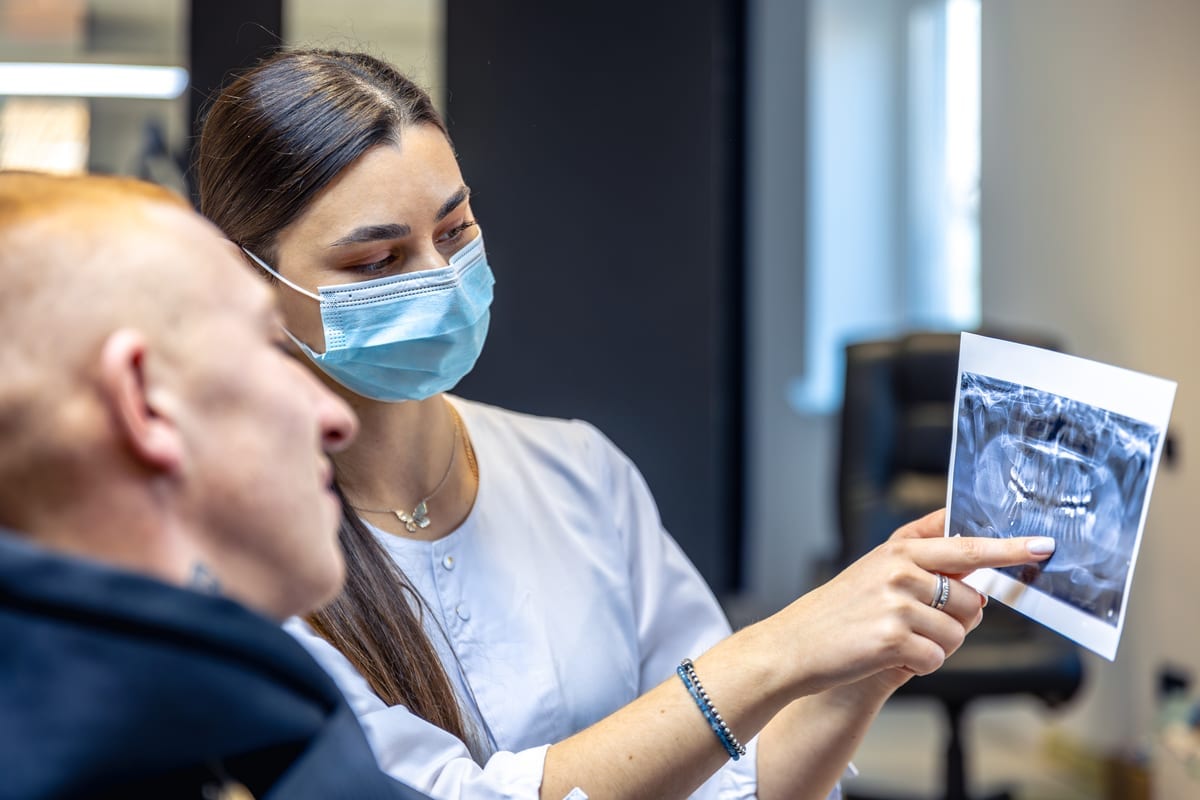
Not every cavity looks the same. Some are tiny and caught early. Others are deeper and may need more involved care. If you’ve been wondering whether your cavity is a candidate for a simple filling in University Center, the answer depends on several key factors. Our dental team at Joanna Claustro DMD & Associates is here to walk you through exactly what we look at during an evaluation.
What Makes a Cavity a Good Candidate for a Simple Filling in University Center?
A dental filling is one of the most common restorative procedures in general dentistry. It works best when decay is caught in its early or moderate stages. At that point, the cavity is small enough to be cleaned out and filled without compromising the overall tooth structure.
When decay is still confined to the outer layers of the tooth, a filling is typically the most straightforward solution. The procedure is quick, effective, and long-lasting. It restores the tooth’s function without requiring more complex treatment like a crown or root canal.
Key factors that make a cavity a good candidate for a simple filling include:
- Decay limited to the enamel or dentin layer
- No signs of infection or abscess
- Healthy surrounding tooth structure
- No significant cracking or fracturing in the tooth
- Patient is not experiencing severe pain or sensitivity
How Our Team Evaluates Your Cavity
Before recommending any treatment, our dental team conducts a thorough evaluation. This starts with a visual examination of the affected tooth. We look for visible signs of decay, discoloration, and structural changes.
We also use Digital X-Rays to see beyond the surface. X-rays reveal how deep the decay has traveled. They also show whether the roots or surrounding bone are involved — details you simply cannot see with the naked eye.
Once we have a complete picture, we assess the extent of the damage. We consider factors like tooth location, bite pressure, and the patient’s overall oral health. All of this helps us determine whether a simple filling is the right path forward for you.
When a Filling May Not Be Enough
Sometimes a cavity has progressed too far for a filling alone. In those cases, a more extensive restoration is necessary to save the tooth. Understanding these scenarios helps set realistic expectations.
Here are situations where a filling might not be sufficient:
- Decay has reached the tooth’s pulp or nerve
- The cavity takes up more than half of the tooth’s surface
- The tooth is cracked or has broken down significantly
- There are signs of infection requiring a root canal first
- The patient has recurring decay in the same tooth
In these situations, our team may recommend a Dental Crown to cap and protect the remaining tooth structure. In more advanced cases, a Dental Bridge or even Dental Implants may be discussed. The goal is always to preserve as much natural tooth as possible.
Tooth-Colored Fillings: What University Center Patients Should Know
Once we confirm your cavity is a good candidate for a filling, the next step is choosing the right material. At Joanna Claustro DMD & Associates, we offer tooth-colored fillings made from composite resin. These blend naturally with your existing tooth shade.
Composite fillings are a popular choice for several reasons. They bond directly to the tooth, which means less healthy structure needs to be removed. They also look and feel more natural than traditional metal amalgam fillings.
Tooth-colored fillings are especially important for visible teeth toward the front of your mouth. Patients interested in a seamless, natural smile often ask about our Cosmetic Dentistry University Center options as well. Fillings can be part of a broader smile improvement plan when done with the right materials and care.
What to Expect During Your Filling Appointment
Knowing what happens during the appointment helps ease any anxiety. The process is straightforward and usually completed in a single visit. Here is a general overview of what to expect:
- Numbing the area: We apply a local anesthetic to keep you comfortable throughout the procedure.
- Removing the decay: Our team carefully removes all decayed material from the tooth.
- Cleaning and shaping: The area is cleaned and shaped to accept the filling material.
- Placing the filling: The composite resin is layered in and hardened with a curing light.
- Polishing and bite check: We shape and polish the filling, then check your bite for comfort.
Most patients are in and out within an hour. There is minimal recovery time. You may notice mild sensitivity for a day or two, but this typically resolves quickly.
Keeping Kids’ Cavities in Check
Cavities are not just an adult concern. Children in the University Center area are also susceptible to decay, especially in baby teeth. Early treatment prevents the decay from spreading to neighboring teeth or permanent teeth below.
Parents often ask whether fillings are appropriate for young patients. In most cases, yes — treating cavities in baby teeth matters even though those teeth will eventually fall out. Untreated decay can cause pain, infection, and spacing problems for adult teeth.
Our team offers gentle, family-friendly care for patients of all ages. Families looking for compassionate dental care for their children can explore our Pediatric Dentistry Ashburn Va University Center services for more information.
Protecting Your Smile After a Filling
Getting a filling is just the beginning. Long-term success depends on how well you care for the tooth afterward. A few simple habits can extend the life of your filling significantly.
Brush twice daily with fluoride toothpaste and floss every day. Avoid biting hard objects like ice or pen caps. Visit our office regularly for cleanings and exams so we can monitor the filling and catch any new decay early.
Dental Bonding and other preventive treatments can also help protect vulnerable teeth. Our team will advise you on the best maintenance routine based on your specific oral health needs.
Conclusion: The Right Treatment Starts with the Right Evaluation
Determining whether your cavity is a candidate for a simple filling in University Center requires a careful, personalized assessment. Size, depth, location, and overall tooth health all play a role in the decision. Our team at Joanna Claustro DMD & Associates takes every factor seriously before recommending treatment.
We believe informed patients make better decisions about their care. Whether your cavity needs a filling, a crown, or something else entirely, we will explain every option clearly. You will never leave our office confused about your treatment plan.
Ready to find out if a simple filling is right for you? Book Now to schedule your appointment with our team.
Frequently Asked Questions
How do I know if my cavity needs a filling or something more?
The best way to find out is through a professional exam and X-rays. Small to moderate cavities typically qualify for a filling. Deeper decay that reaches the nerve or causes significant structural damage may require a crown, root canal, or other treatment.
Are tooth-colored fillings as durable as metal ones?
Yes. Modern composite resin fillings are highly durable and can last many years with proper care. They bond directly to the tooth, which actually helps support the remaining structure. Many patients prefer them because they blend naturally with the tooth color.
Is the filling procedure painful?
Most patients experience little to no discomfort during the procedure. We use a local anesthetic to numb the area before we begin. Some mild sensitivity may occur for a day or two after the appointment, but this usually fades quickly.
Can children get tooth-colored fillings?
Yes. Tooth-colored fillings are safe and effective for children. Treating cavities in baby teeth is important for maintaining proper spacing and preventing infection. Our team is experienced in providing gentle care for young patients.
How long does a filling appointment take?
Most filling appointments are completed within 45 minutes to an hour. The exact time depends on the size and location of the cavity. Simple cavities are usually the quickest to treat, and many patients return to normal activities right after their visit.
Tags
