
Get Directions
Your Complete Food Roadmap for Comfortable New Denture Wearing
By: Dr. Joanna Claustro 10/12/2026
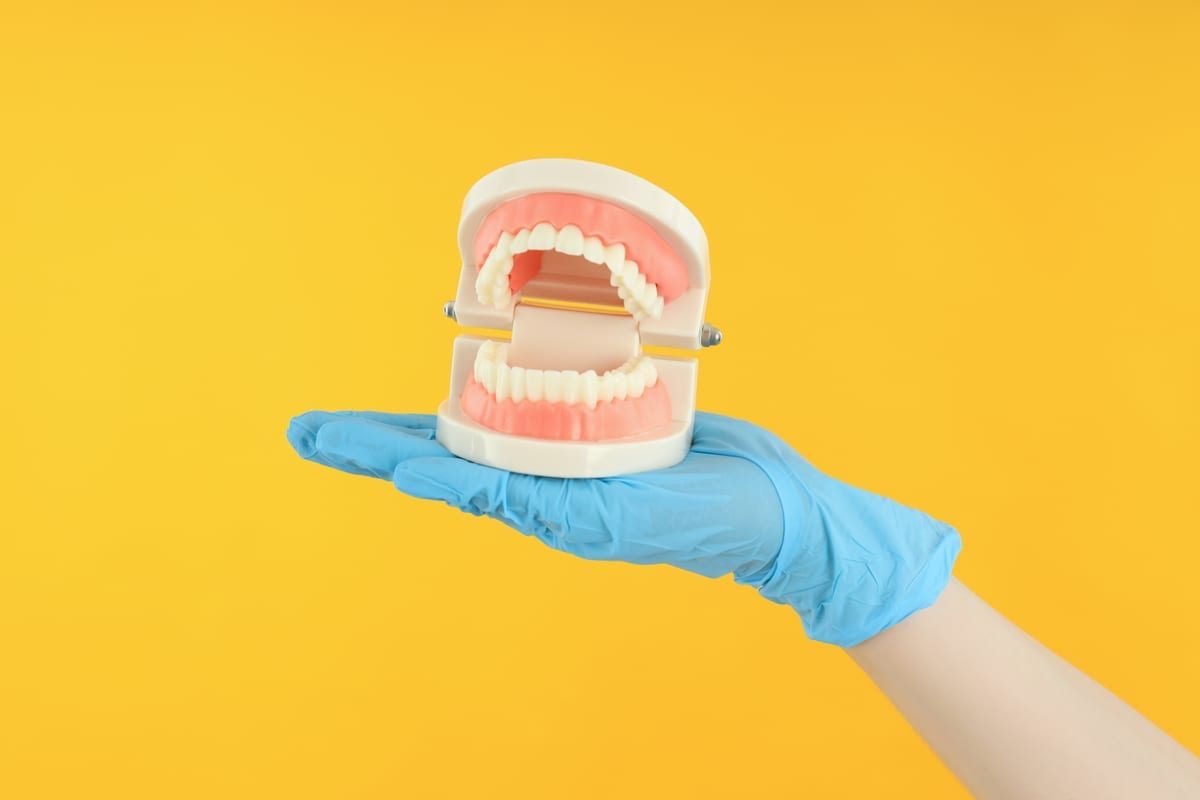
Getting new dentures is a life-changing step. But eating comfortably takes time and patience. Your complete food roadmap for comfortable new denture wearing in Ashburn starts here. Our dental team at Joanna Claustro DMD & Associates wants to help you transition smoothly and confidently.
Many new denture wearers feel uncertain about food choices. That uncertainty is completely normal. With the right guidance, you can enjoy satisfying meals again. This guide walks you through every stage of your adjustment journey.
Week One: Starting Soft and Simple in Ashburn
The first week with new dentures is the most sensitive period. Your gums are adjusting to a brand-new appliance. Swelling and tenderness are common during this phase. Choosing the right foods now protects your comfort and healing.
Stick to very soft foods for the first seven days. Think smooth textures that require almost no chewing. These foods place minimal pressure on your gums. They also reduce the risk of dislodging your dentures while eating.
Great options for week one include:
- Mashed potatoes and soft-cooked vegetables
- Yogurt, pudding, and applesauce
- Oatmeal and cream of wheat
- Scrambled eggs and soft tofu
- Smoothies and protein shakes
- Broth-based soups and blended soups
Avoid anything hot in temperature. Hot foods and beverages can warp your dentures. Eat slowly and use small bites consistently. This careful approach builds your confidence early on.
Weeks Two Through Four: Expanding Your Food Roadmap Gradually
After the first week, most patients feel noticeably more comfortable. You can begin introducing slightly firmer foods now. Still avoid anything hard, crunchy, or chewy. Progress should always feel gradual, never rushed.
Your gums continue adapting throughout this period. Small adjustments in your bite are still happening. Patience during this phase pays off long-term. Rushing back to old eating habits can cause soreness or denture slippage.
Foods to introduce during weeks two through four:
- Soft bread without tough crusts
- Cooked pasta and soft rice
- Flaked fish and well-cooked chicken
- Soft cooked beans and lentils
- Bananas, melons, and soft canned fruits
- Soft-cooked carrots and zucchini
Cut everything into small pieces before eating. Chew on both sides of your mouth simultaneously. This distributes pressure evenly across your dentures. That balanced chewing motion reduces rocking and discomfort significantly.
Foods to Avoid — Even After Full Adaptation
Some foods remain challenging for denture wearers long-term. Understanding these limitations protects your dentures and your comfort. This section of your food roadmap is just as important as knowing what to eat. Awareness prevents frustrating setbacks down the road.
Hard foods can crack or chip your denture material. Sticky foods pull at your dentures and dislodge them. Seedy foods can get trapped under your dentures and cause irritation. Tough, chewy foods place excessive strain on your gums.
Foods to permanently limit or avoid include:
- Hard candies and lollipops
- Raw carrots, apples, and hard vegetables
- Corn on the cob
- Sticky candies, caramel, and chewing gum
- Whole nuts and seeds
- Tough cuts of steak or chewy meats
- Crusty bread and hard pizza crusts
This does not mean you can never enjoy these flavors. Apples can be sliced thinly. Nuts can be finely chopped and added to soft dishes. Creativity in the kitchen helps you maintain a diverse, enjoyable diet.
Month Two and Beyond: Building Confidence at the Table
By the second month, most patients feel far more comfortable. Your gums have toughened and adapted to your dentures. Your brain has also learned new muscle memory for chewing. Many everyday foods become manageable again with practice.
This stage is about reclaiming joy at mealtimes. You do not need to feel limited forever. Strategic approaches let you enjoy a wide variety of foods. Small adjustments in preparation make a significant difference.
Smart strategies for long-term comfortable eating include cutting meats against the grain into very small pieces, softening bread by dipping it lightly in soup or sauce, and removing seeds from fruits and vegetables before eating. Cooking vegetables slightly longer than usual also helps. Choosing boneless fish over tough red meats reduces chewing effort considerably.
Staying well-hydrated supports comfortable chewing too. Saliva helps stabilize dentures naturally. Dry mouth increases slippage and irritation. Sipping water throughout meals is always a good habit for denture wearers.
Nutrition Tips to Support Your Healing and Comfort
Good nutrition matters deeply during your adjustment period. Your body uses protein and vitamins to heal gum tissue. A soft-food diet can sometimes limit nutritional variety. Being intentional about nutrients keeps your health strong throughout the process.
Prioritize protein even when eating soft foods. Eggs, Greek yogurt, tofu, and blended legumes are excellent protein sources. They are easy to eat and highly nutritious. Protein speeds tissue recovery and maintains your energy levels.
Calcium remains essential for your overall oral health. Even without natural teeth, jaw bone density matters. Soft dairy products like yogurt and ricotta cheese deliver calcium easily. Your dental team may also recommend supplements during this period.
If you are interested in other options for restoring your smile, our team offers Cosmetic Dentistry Ashburn services that complement your overall care. We also welcome families and offer Pediatric Dentistry Ashburn Va Ashburn for younger patients in our community.
When to Call Your Dentist in Ashburn
Some discomfort in the early weeks is expected and normal. However, certain signs warrant a call to your dental team. Persistent sore spots that do not improve after a few days deserve attention. Dentures that fit loosely or shift significantly also need professional evaluation.
Do not try to adjust your dentures yourself at home. DIY adjustments can damage the appliance permanently. Your dental team can make precise, safe adjustments quickly. Early intervention prevents small problems from becoming bigger ones.
Regular follow-up visits are an important part of denture success. Your Ashburn dental team monitors your gum health and denture fit over time. As your gums change shape, periodic adjustments or relines may be needed. These visits keep your dentures comfortable and functional for years.
At Joanna Claustro DMD & Associates, we are proud to support every patient through their denture journey in Ashburn. Our team combines expertise with genuine care for your experience. You deserve to eat comfortably and smile with confidence again. Book Now to schedule your appointment with our team.
Frequently Asked Questions
How long does it take to get used to eating with new dentures?
Most patients need four to eight weeks to feel comfortable eating with new dentures. The adjustment period varies based on individual healing and how consistently patients follow soft-food guidelines early on. Attending follow-up visits with your dental team helps speed up the process significantly.
Can I eat normally again after adapting to dentures?
Many patients return to eating a wide variety of foods after full adaptation. Some very hard or sticky foods are best avoided permanently to protect your dentures. With smart food preparation strategies, most meals remain enjoyable and satisfying long-term.
Why do my dentures feel loose when I eat?
New dentures can feel loose during eating because your muscles are still learning to hold the appliance in place. As your cheek and tongue muscles adapt, stability improves naturally. If looseness persists beyond a few weeks, contact your Ashburn dental team for a professional adjustment.
Are there foods that help my gums heal faster?
Yes, protein-rich soft foods like eggs, yogurt, and tofu support gum tissue healing effectively. Foods high in vitamin C, such as blended fruit smoothies, also promote tissue repair. Staying well-hydrated by drinking water throughout the day supports overall oral healing too.
How do I clean my dentures after eating sticky or soft foods?
Rinse your dentures with water after every meal to remove food particles. Brush your dentures daily with a soft-bristled denture brush and mild cleanser. Avoid regular toothpaste, which can be abrasive on denture material. Soak your dentures overnight in a denture cleaning solution recommended by your dental team.
Tags
